
Compost
Yard$39 / Yard
Decomposed wood compost for soil amendment, topsoil substitution, planting beds, and garden refresh projects.
plantersraised bedsgarden soil
View detailsGrowing blends
Bulk soil blends for raised beds, planters, flower beds, lawns, backfill, and garden refresh projects across the Inland Empire.

Current catalog
3 listed materials
$39 / Yard
Decomposed wood compost for soil amendment, topsoil substitution, planting beds, and garden refresh projects.
$43 / Yard
A loose blended planting soil for planters, garden beds, flower beds, and general landscape planting.
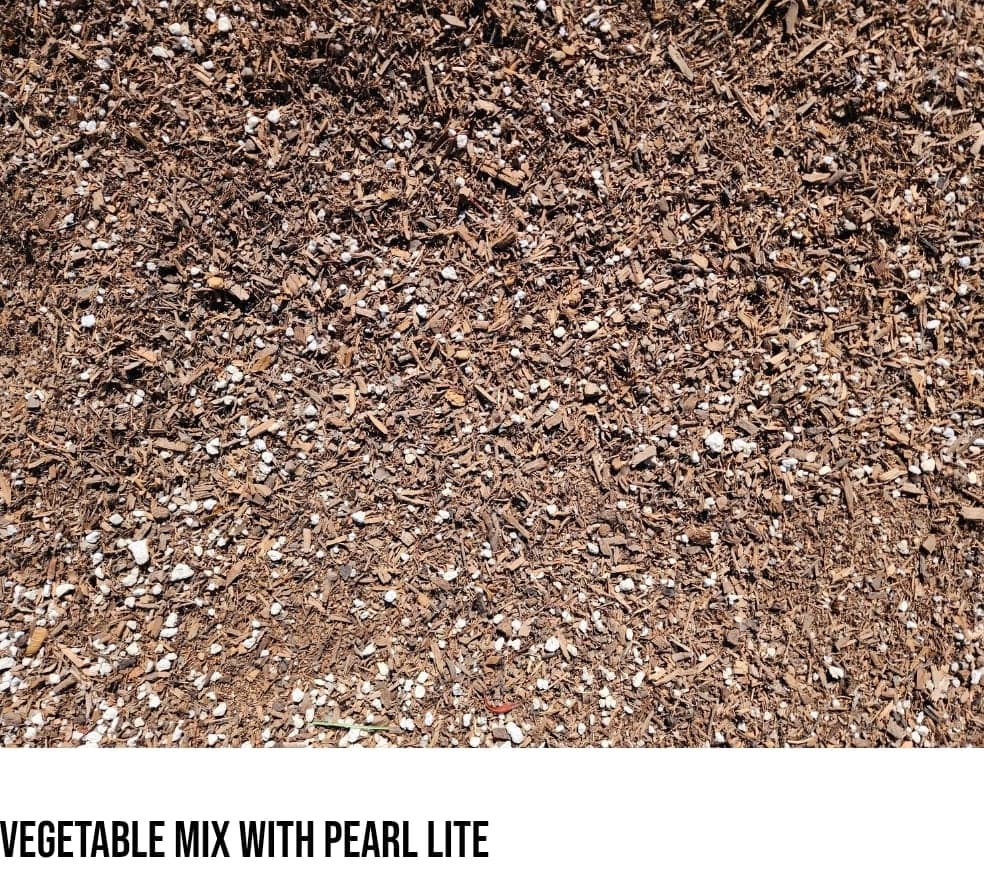
$62 / Yard
A garden-focused vegetable mix with organic compost, clean fill dirt, and pearl lite for raised beds and food gardens.
Soil buying guide
Choose soil by use, calculate the volume from the actual bed dimensions and plan a clean delivery location before requesting a load.
A soil order should begin with the job the material needs to do. Compost is primarily an amendment: it adds decomposed organic matter to an existing bed and is commonly incorporated into native soil before planting. Topsoil or planting mix is used when the project needs bulk volume for a planter, flower bed or landscape area. Vegetable mix is blended for food-growing beds and raised gardens. Those products can look similar in a pile, but their intended roles are different. Sending the planting goal with the quote request helps prevent a compost amendment from being treated as full-depth fill or a general planting mix from being substituted for a vegetable-garden blend.
Use compost when an existing soil bed needs organic material rather than a complete replacement. It can be worked into prepared soil for ornamental planting, garden renewal and bed improvement. Compost is not a structural fill, and a thick uncompacted layer is not automatically a complete planting profile. Existing soil condition, drainage, plant choice and the installation plan still matter. Before ordering, measure the bed area, decide how deeply the amendment will be incorporated and ask the installer or landscape professional what proportion belongs in the soil. Keep compost out of drainage structures, off paving and away from building details that need clearance.
Planting Mix Topsoil is the general catalog choice for planters, flower beds and landscape planting where the project needs both volume and a growing medium. It may be appropriate for rebuilding a bed after excavation, bringing a prepared planter to grade or filling around new ornamental planting. Do not assume that the word topsoil identifies one universal recipe; screened products vary by source, moisture and blend. Explain whether the soil will support shrubs, flowers, lawn repair or general landscape planting. Also identify the existing subgrade and drainage plan, because adding good soil above a poorly draining layer does not by itself correct the site condition.
Vegetable Mix With Pearl Lite is intended for raised beds and food-garden projects that need a lighter garden-focused blend. Measure the inside dimensions of every bed rather than using the outside lumber dimensions. If several boxes have different depths, calculate them separately and add the cubic footage. A new raised bed may settle after watering, so the final order should account for the installation method and the amount of headspace wanted below the rim. Confirm planting and amendment recommendations for the crops being grown; the online volume calculator estimates quantity, but it does not replace a soil test or crop-specific fertility plan.
For a rectangular planter, multiply inside length by inside width by fill depth, all measured in feet. Divide the resulting cubic feet by 27 to convert to cubic yards. A bed that is 8 feet long, 4 feet wide and 1.5 feet deep contains 48 cubic feet, which is about 1.8 cubic yards before any allowance. For ground-level beds, multiply square footage by the added depth in feet, then divide by 27. Irregular areas should be divided into smaller rectangles. Existing soil, root balls, drainage layers, settling and the desired finished grade can all change the practical order quantity.
Bulk soil occupies space before it is spread, and it may settle after watering and planting. Mark the finished grade around paving, fences, irrigation boxes and building edges before deciding how much to order. Do not bury weep screeds, siding clearances, tree root flares or utility lids. If a planter includes a drainage layer or large root balls, subtract that occupied volume from the soil calculation. When amending an existing bed, calculate only the new material being incorporated rather than the full bed depth. A simple sketch with dimensions is often more useful than a single square-foot number because it shows where different depths apply.
Choose a firm, accessible pile location that keeps the material separate from gravel, mulch and construction debris. Send a wide photo showing the street approach, driveway slope, gates, overhead wires and the route from the pile to the planting area. Soil should not be placed where runoff can carry it into a gutter or storm drain. If the project needs compost and planting mix, label two distinct staging areas before the truck arrives. City-specific delivery fees are listed on each delivery page, while material prices are shown per cubic yard. Dense or wet material and truck limits can affect how much fits in one load.
A useful quote request names the material, gives dimensions or estimated cubic yards, identifies the delivery city and explains the planting goal. Add photos of the existing soil and proposed pile location when access or material selection is uncertain. For amendment work, say whether the compost will be tilled into native soil. For planters, include inside length, width and depth. For vegetable beds, mention that food crops are planned. Landscape Rock Direct can confirm the catalog price, city delivery fee, availability and truck access, but the customer or installer remains responsible for the planting specification, drainage design and final quantity decision.
Fast quote
The fastest quote includes the material name, estimated square footage or yards, delivery city, dump location, discount eligibility, and a photo if access is tight. Help is as easy as a message away.